
I have supervised tables for two decades, and the difference between a fair contest and…
Single Deck Focus In Online Blackjack Strategy
H1: Single Deck Focus In Online Blackjack Strategy
Playing a single deck game changes how you read the shoe and pace your bets, especially when you are trying to keep the house edge as low as possible on a mobile screen. The appeal is simple: fewer cards mean each deal carries more weight, and disciplined play can matter more than chasing a bonus that barely covers a Sunday arvo coffee. This review looks at how a platform handles that narrower game format, what the mobile experience actually delivers when you are holding a flat white at a Gold Coast café, and whether the setup rewards careful play rather than loud promotions.https://royalreader.net
How A Single Deck Setup Shapes The Game
A single deck game rewards patience more than speed, and the platform needs to reflect that without cluttering the table or slowing your decisions. When the shoe is thin, basic strategy deviations matter sooner, and the interface should make doubling down, splitting, and standing feel obvious on a phone screen rather than buried under extra menus. I have seen plenty of sites that drown a clean game in animated banners and pop-up offers, which is a poor fit for anyone who wants to concentrate on the maths rather than the noise. A better setup keeps the layout tight, shows the rules up front, and lets you move through a hand without hunting for controls. That matters because single deck blackjack is less about spectacle and more about repeatable decisions, so the experience should feel measured rather than overproduced. If the platform is busy as a Christmas parade, the game itself usually suffers, and that is a bad sign for anyone serious about the format.
“Mate, are you really counting that shallow a shoe on your phone?”
“Only when the rules are decent and the screen isn’t fighting me.”
“Still reckon you’re better off watching the table than the offers.”
“No worries, I’m just trying to keep the edge where it belongs.”

“Fair call, but I’ll keep the thumb moving while the rhythm holds.”
“If you want a quick spark to keep the focus sharp, tap that good inspiration link.”
“Table’s still calling, so I’ll track the cards and save the scrolling for later.”
Mobile Fit For A Narrower Game
Responsiveness And Performance On Small Screens
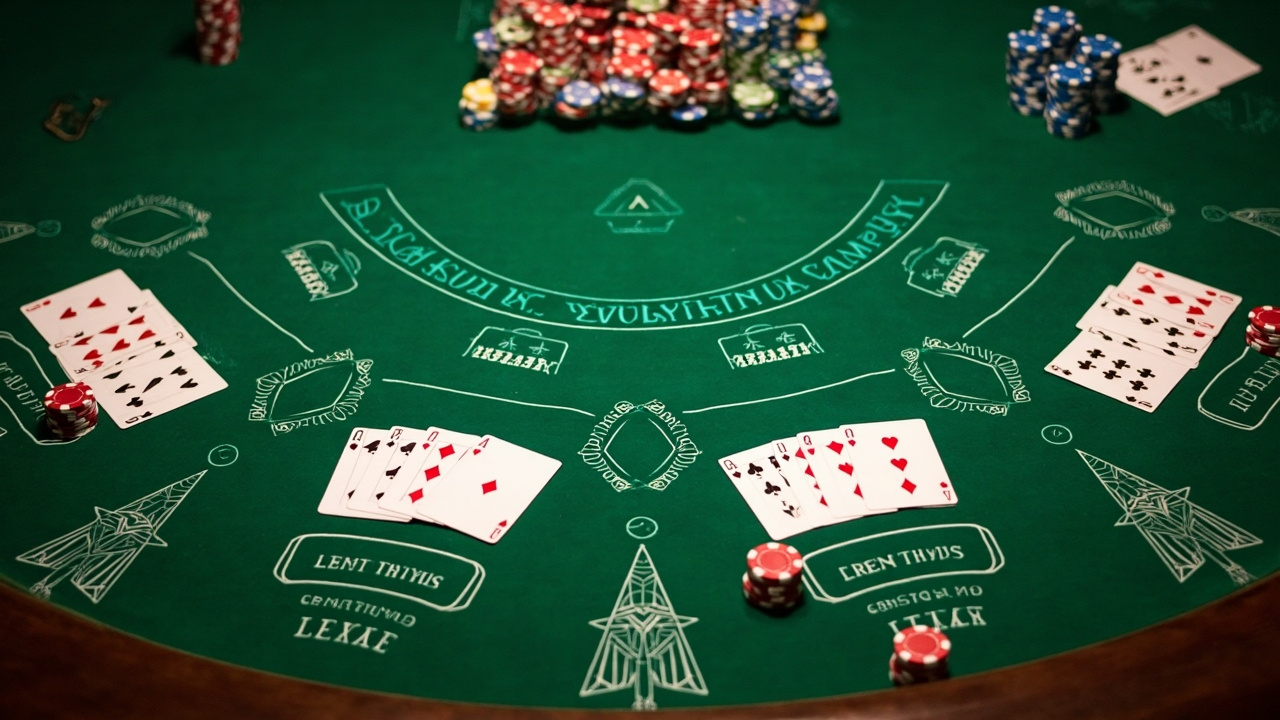
A single deck table needs to stay legible when you are playing in portrait mode on a commute or between meetings, and that means the cards, chips, and action buttons should scale without overlapping or shrinking to a blur. On the Gold Coast, I have watched players tap through hands on a phone while the tide was coming in, and the best setups kept the table clear enough that a quick double-down felt natural instead of fiddly. Performance matters just as much as layout, because a slow load or a stuttering animation breaks concentration right when the shoe is getting interesting. A well-built mobile view keeps the pace steady, shows the current hand clearly, and lets you act without dragging the page around. That kind of responsiveness is what separates a usable single deck game from one that feels like a desktop site awkwardly squeezed into a phone.
Navigation, Registration, And Support That Stay Out Of The Way
Navigation should be straightforward enough that you can find the single deck variant, check the rules, and start a hand without clicking through a maze of banners. Registration needs to be clear about identity checks and local requirements, because any platform that talks around verification is not the right place for careful play. Payments and currencies should be presented plainly, with limits and processing times stated in a way that does not require guesswork. Support should be reachable when you need it, but not so aggressive that it interrupts the game. A clean setup treats the player as someone making deliberate decisions, not someone to be nudged toward every promotion on the page. That restraint is especially important for a single deck game, where the real edge comes from discipline rather than a constant stream of offers.
Matching The Format To Different Player Fits
A single deck game suits a player who wants a tighter, more deliberate session rather than a noisy high roller environment. For someone who likes to think through each hand and keep the pace controlled, the format works best when the platform stays out of the way and the rules are easy to confirm before the first deal. It can also suit a casual player who wants a simpler table without a thick shoe and a cluttered interface, provided the mobile view is genuinely usable on a phone and the bonus terms do not obscure the actual game. The wrong fit is a player who expects non-stop action and constant prompts, because a single deck table is better when it is quiet enough to read properly. As Adam Watson, Senior Market Analyst, Flinders Interactive Group, puts it, the value of a single deck setup is often in the discipline it rewards, not the volume of play it encourages. Chloe Fraser, Customer Experience Lead, Harbour City Gaming Review, notes that the mobile experience needs to stay clean enough for deliberate decisions, because a crowded screen can flatten the advantage of a thinner shoe. For a Gold Coast player catching a session between errands, that means the platform should feel steady, the rules should be visible, and the mobile flow should not demand a desktop-sized attention span.
Single deck blackjack is best treated as rippercasino150.com a focused game rather than a promotional product, and the platform should make that obvious from the first visit. If the mobile view is clear, the rules are easy to check, and the interface stays quiet enough to read the table, then the format has a real chance to suit a disciplined player. If the site leans too hard on noise, vague terms, or a cluttered screen, the game loses what makes it worth playing in the first place. A good setup keeps the edge where it belongs: in the decisions, not the decoration.

- Basic strategy: the mathematically preferred play for each hand against the dealer’s up card.
- Double down: doubling your initial bet to receive exactly one more card.
- Split: separating a pair into two hands with an extra bet.
- House edge: the mathematical advantage the game holds over the player over time.
- Shoe: the container or sequence from which cards are dealt.
This Post Has 0 Comments